Freshness and Shelf Life Optimized

Biodegradable vacuum bags: the state of the art

More and more, we get the question: are biodegradable vacuum bags already as good as regular vacuum bags?
The short answer: not yet. Biodegradable vacuum bags are currently only available on a small scale, and their performance is not (yet) comparable to traditional vacuum packaging.

Since 1975

Why no large-scale deployment of bio vacuum bags yet?

  • 01.Material strength and barrier properties
    Hevel

    A good vacuum bag must be air and moisture resistant as well as mechanically strong enough to preserve food for a long time. Biodegradable materials such as PLA (polylactic acid) and PHA do not currently offer the same barrier qualities as traditional plastics such as PA/PE. They are often less flexible or porous - and thus less suitable for long-term storage under vacuum.


  • 02.Limited shelf life
    Hevel

    Organic vacuum bags are more sensitive to moisture, light and temperature. As a result, they themselves do not last as long - the exact opposite of what you want in food preservation.

  • 03.High cost and limited scalability
    Hevel

    The production of biodegradable bags is more expensive, and therefore not yet commercially attractive for large-scale application.

  • 04.Compostable ≠ Home compostable
    Hevel

    Many so-called "biodegradable plastics" break down only under industrial conditions - at high temperatures in special composting plants. In normal households, they do not disappear on their own.

  • 05.Strict regulations
    Hevel

    There are very strict requirements for use with food. Biodegradable materials must be safe in vacuum packaging - and the certification process is complex and costly.

  • 06.Limited market & low demand
    Hevel

    Although sustainable thinking is growing, the demand for compostable vacuum bags is still relatively small. Without high demand, manufacturers do not yet dare to make the switch.
Research on alternatives in progress

Startups and research institutions are working on promising materials such as cellulose-and seaweed-based films. Some are already available on a small scale, or in experimental combinations (e.g., PLA-coated paper). But fully biodegradable vacuum bags with the same performance as PA/PE bags? There aren't any at the moment.

Hevel Vacuümzakken: wél duurzaam

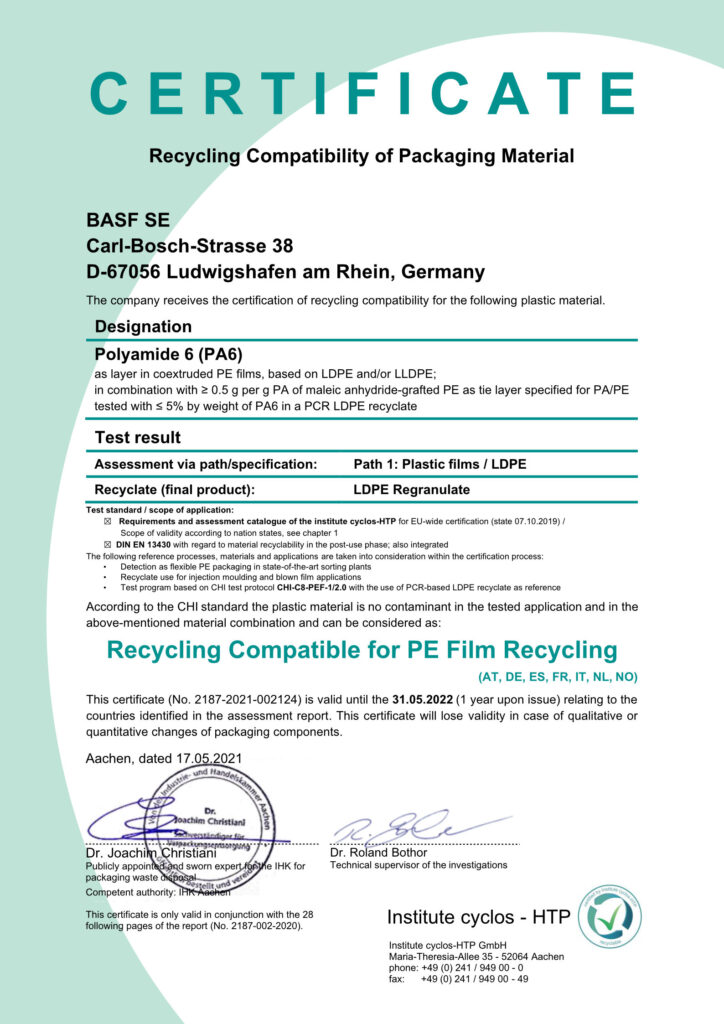
De vacuümzakken van Hevel zijn 100% recyclebaar, getest en goedgekeurd door BASF. De grondstoffen kunnen opnieuw worden gebruikt, wat aanzienlijk milieuvriendelijker is dan het gebruik van bio-zakken waarbij telkens nieuw moedermateriaal nodig is.

Less food waste = better for the environment

Eco-friendly Advantages

A vacuum bag is not just plastic - it is a preservative. Thanks to vacuum packaging, we significantly extend the shelf life of food, and that leads to less waste. And that's important, because the production of food itself has the largest carbon footprint of all.

Conclusion

Hevel blijft actief werken aan toekomstbestendige alternatieven, maar op dit moment zijn biologisch afbreekbare vacuümzakken nog niet geschikt voor professioneel of huishoudelijk gebruik. Tot die tijd bieden onze recyclebare vacuümzakken een verantwoorde, duurzame keuze.